Patches We Have Made and Set
It is where Brim started and it is still the thing people come for. How patching works.
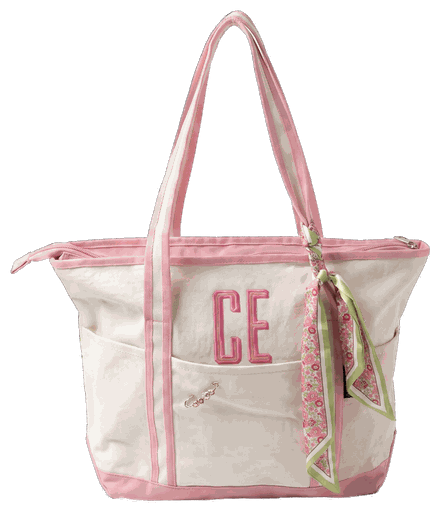
More from the shop. The blanks every job starts from, and the runs that come back. Opening soon at shop.brimcollection.com
How it happens
Three frames from the bench: pinned out before the press, in the press, and laid in again from the other side.

Pinned, before the press
Client photo
In the heat press
Client photo
Laid in, second view
Client photoCaps
Thirty-seven caps. Chenille, beads, chains, charms, single letters, whole phrases - and no two of them the same.

Two-tone cap, chenille club patch
Client photo
Cap with a beaded chain
Client photo
Red cap, pearl chain
Client photo
Hot pink cap, bow and icons
Client photo
Red, white and blue trucker
Client photo
Camo cap, stars and stripes
Client photo
Cream cap, desert motif
Client photo
Black cap, chenille smiley
Client photo
Rope cap, tiger and laurel
Client photo
Three chenille letters
Client photo
Camo cap, chenille greeting
Client photo
Two caps, styled together
Client photo
Two truckers, side by side
Client photo
Camo cap, oval patch
Client photo
Black cap, glove and letter
Client photo
Beanie, small hands patch
Client photo
Blue trucker, word panel
Client photo
Camo cap, letter and butterfly
Client photo
Cap, three letters
Client photo
White cap, chenille letter
Client photo
Caps on the shelf
Client photo
Charcoal cap, fruit patch
Client photo
Camo cap, two word panels
Client photo
Olive cap, dog patches
Client photo
Cream cap, camo brim
Client photo
Cap on the tray
Client photo
Leopard brim, chenille word
Client photo
Green cap, butterfly and letter
Client photo
Pale cap, single letter
Client photo
Distressed cap, one patch
Client photo
Pink cap, chenille phrase
Client photo
Two-tone cap, word panel
Client photo
Olive cap, letters and charms
Client photo
Charcoal cap, diamond patch
Client photo
Cream cap, star and smiley
Client photo
Two camo caps, two names
Client photo
Blue cap, letter and turtle
Client photoBags and covers
Twenty-one pieces. Crossbodies, belt bags, backpacks, bible covers, planner cases, and one clear game-day bag.

Crossbody, covered in patches
Client photo
Checkerboard bag, star and script
Client photo
Checkerboard bag, three panels
Client photo
The same bag, at the booth
Client photo
Floral cover, chenille patch
Client photo
Clear bag, sequin patch
Client photo
The sequin patch, close
Client photo
A cover, a bag and a pair of slippers
Client photo
Blue belt bag, star and letter
Client photo
Pink belt bag, daisy
Client photo
Green checkerboard case
Client photo
Animal-print cover, word panel
Client photo
Green case, open
Client photo
Floral case, open
Client photo
A case of patches
Client photo
Checkerboard case, four patches
Client photo
Three floral cases
Client photo
Cap and case together
Client photo
Cover, case and cap
Client photo
Cap and cover, laid together
Client photo
Checkerboard backpack
Client photoEverything else it goes on
Eight pieces that answer the question people ask second: what else can you patch?

Cap and belt bag, matched
Client photo
Slippers, star and smiley
Client photo
High-tops, chenille numbers
Client photo
Koozie, round patch
Client photo
Pink koozie, checkered bow
Client photo
Koozie, single letter
Client photo
Denim jacket, name across the back
Client photo
Denim jacket, name and flowers
Client photoSixty-nine pieces
Sixty-nine finished pieces, photographed on a phone as they left the shop. This is the largest thing on the site because it is the largest thing in the shop. They are grouped by what the patch went onto rather than by when they were made: three frames from the bench, thirty-seven caps, twenty-one bags and covers, and eight pieces that fit no other heading.
Start with the three frames at the top, because they answer the question people ask before anything else: what does this actually look like being made. A patch pinned out on the cap before it goes anywhere near heat. The same cap in the press. The piece laid in again from the second side. That is the whole of it, and there is a person doing every step.
What people ask for
Then the caps - thirty-seven of them, and the range is the point. A two-tone cap with a chenille club patch. A red cap wearing a pearl chain. A hot pink cap carrying a bow and a row of small icons. Red, white and blue on a trucker; stars and stripes on camo. A black cap with a chenille smiley on it and a rope cap with a tiger and a laurel. Several are somebody's initials and nothing more, which is usually the job: three chenille letters, a single letter on a pale cap, a letter and a butterfly on camo. Two frames show caps styled in pairs because they were ordered in pairs - two camo caps with two different names is a couple, or a pair of sisters, and it is one of the more common orders that comes through the form.
The half people do not expect
The bags and covers are the half of the business people do not expect. A crossbody covered end to end in patches. Checkerboard bags with star and script panels. Bible covers in floral, animal print and checker. Planner cases photographed open so you can see the inside. A clear game-day bag with a sequin patch on it, shot again close so the sequins read. One frame is a cover, a bag and a pair of slippers together, which is what a single customer ordered at once.
And then the last band, which exists because the answer to "what else can you patch" keeps getting longer. Slippers with a star and a smiley. High-tops with chenille numbers on them. Koozies. Two denim jackets - one with a name across the back, one with a name and flowers. If you own it and it holds still, it is probably a candidate.
Made in Yukon, photographed as they left
All sixty-nine pieces on this page were made at the shop in Yukon, Oklahoma, inside the Oklahoma City metro, and photographed by Stephanie on her phone as they left. More lands here as she shoots it, so the count moves. Nothing here came off a rack. Every patch is made to order, so the starting point is somebody's own idea rather than a stock design, every job is quoted on its own, and the mock is approved before anything goes near heat. Bringing in a piece you already own is a normal way to start rather than an exception to one. If you own something and you want a patch on it, ask.
Want to know how a patch job actually runs, what it goes on and what to send? That is on the patching service page.
69 pieces that left this shop, photographed by Stephanie on her phone. More lands as she shoots it. See the other work.
Got something in mind? Let's make it yours.
Send a patch, a photo, or just tell us the vibe. If it's a rough idea, even better. We'll figure it out together.