Pick a way in.
Everything below left this shop. Choose how it was made.
More from the shop. The blanks every job starts from, and the runs that come back. Opening soon at shop.brimcollection.com
Three methods, and where the pieces are
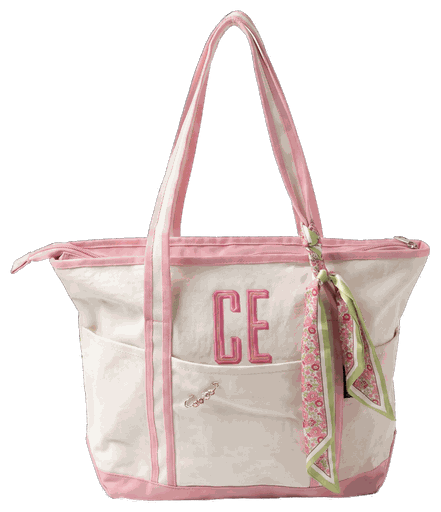
Embroidery is thread sewn straight into the piece, worked from a digitized stitch file. It suits a structured cap, a work polo, a jacket or a bag, worn hard and washed often. 24 of them are in the embroidery gallery.
Patching is a patch made for you, then set onto the piece by hand. It is where Brim started and it is still the thing people come for: hats first, then bible covers, planner covers, bags, slippers and jean jackets. The patching gallery is the biggest here for the same reason it is the biggest in the shop: 69 pieces grouped by what the patch went on, bench frames first.
A DTF transfer is artwork printed onto film and heat-pressed into the garment. Reach for it when the design is full color or photographic, or the fabric is a tee that will not take a stitch. It is the newest method, so the DTF gallery is the smallest: 9 pieces.
Parties, markets, and who makes it
A patch party is that same wall of patches carried to your place, with the tables and blanks, so everyone builds their own. What a room full of people makes shows what comes off the table, and how a party runs is its own page.
Brim still does vendor markets, and the booth travels: a cart of caps, a table of blanks and bins of patches. The booth, and what travels in it is one frame of that on a venue lawn; the dates that are on the books are listed separately.
The photographs in the three method galleries are Stephanie's own, shot on her phone as each piece left the shop, so they sit on a workbench or a brick wall rather than on a model. If you would rather read how the three methods differ, that comparison is its own page. The person who makes them is Stephanie, and the shop she bought from a friend.