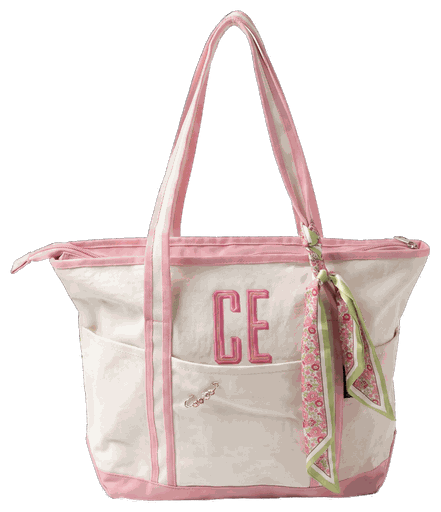
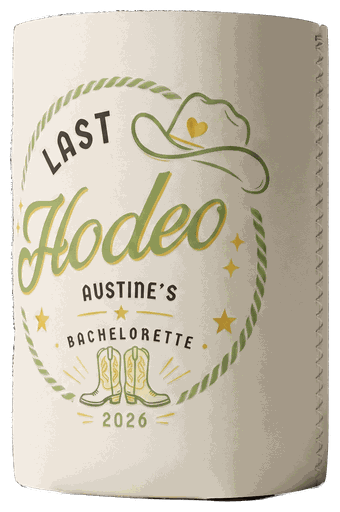
Which method fits your need?
It usually comes down to three things:
- Fabric
- Design size
- Quality
Most people show up knowing what they want made, not how to make it. That's why they order from Brim Collection. Tell us what you want, we show you which method is best for the job.

Embroidery
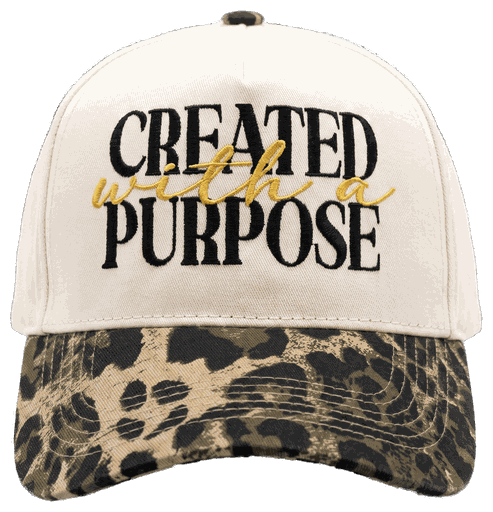
Embroidery is thread sewn straight into the garment, worked from a digitized stitch file that tells the machine where every needle drop goes. It sits proud of the fabric, catches the light, and does not crack, fade or peel the way a print eventually will. It is the right call when the garment has structure - caps, polos, jackets, bags, beanies - when the piece will be worn hard and washed often, and when the artwork is a logo or a name rather than a full-chest illustration.
Artwork has to be digitized before it can be sewn. Very fine detail and very small text do not survive that, so we tell you if something needs simplifying before it goes on a cap. Your digitized file stays on record.
Digitizing is free on designs we will run again. One-off personalized pieces carry a small setup fee, quoted before anything runs.
Patching
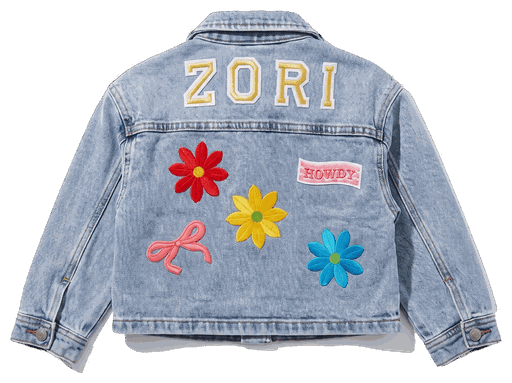
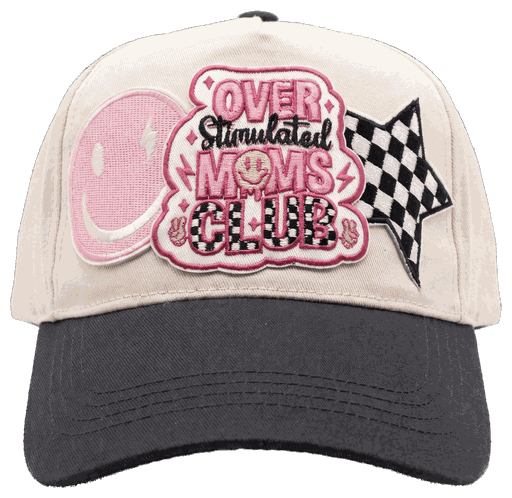
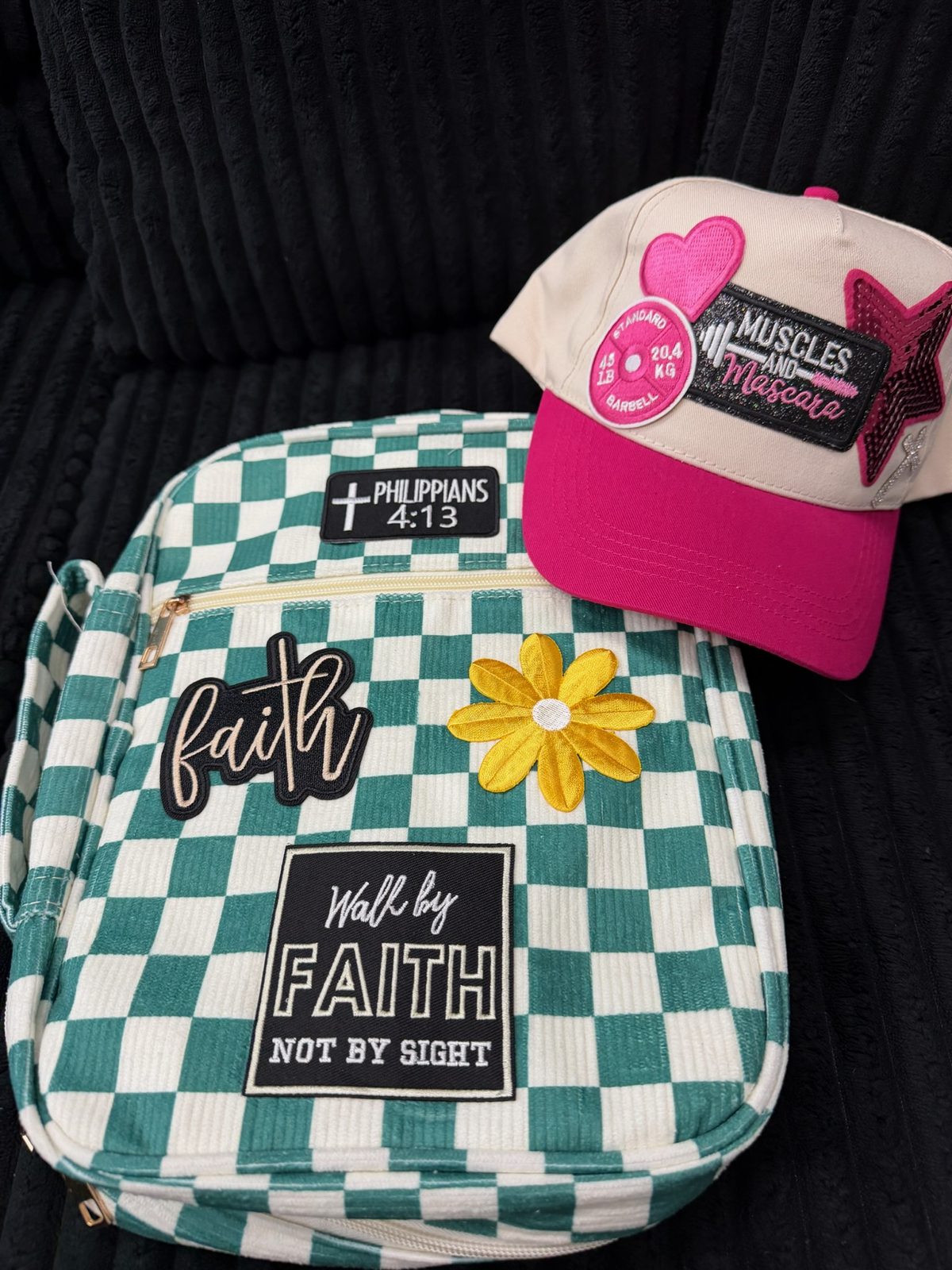
Patching is a patch made for you, then set onto the piece by hand. It is where Brim started and it is still the thing people come for - pick a patch that is you, or bring your own idea and we will build it. It is the right call when you want one piece that is yours alone rather than a matching set, when the idea is a saying, a symbol or a joke rather than a company logo, and when you want the finished thing to read as made, not printed.
Anything can be patched - hats first, then bible covers, planner covers, bags, slippers, jean jackets. Not a hat person? You just have not found the right one. Bring the piece you already own, or leave the blank to us and we will build the whole thing from the idea up.

DTF transfers
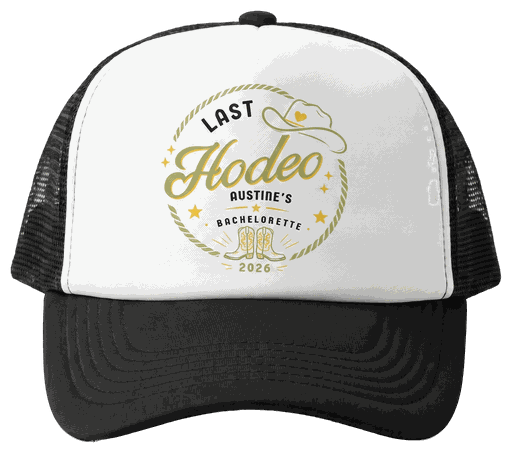
A DTF (direct-to-film) transfer is a design printed onto a film, then heat-pressed into the garment. No screens to burn, so full color costs the same as one color, and a run of six is as sensible as a run of sixty. It is the right call when the artwork is full color or photographic, when the garment is a tee, a hoodie or a blend that will not take a stitch well, and when the design is big and detailed enough that thread would fight it. It is also the answer for a small run, or just the one, because there is no setup to spread across the order.
A transfer sits as a thin flexible layer on the surface rather than sinking into the weave, so it wants washing properly - inside out, cool, and out of the tumble dryer. Do that and it stays sharp.
Embroidery, patching or DTF - which one does my job want?
A rough rule that gets it right most of the time.
Embroidery
Caps, polos, beanies, jackets and bags are the pieces embroidery was made for. Structured fabric holds a stitch, and thread sewn into the garment sits proud of the surface and catches the light the way a uniform that cost something does. Choose a heat-pressed transfer for these instead and you meet two problems.
A cap front is a small curved panel with a seam running up the middle of it, and a print laid across that seam rarely looks right. And a transfer sits as a thin flexible layer on the surface rather than sinking into the weave - fine on a tee washed cool and hung to dry, harder on a work polo that goes through a hot wash every night, because a print eventually cracks, fades or peels and a stitch does not. Keep the artwork to a logo or a name rather than a full-chest illustration and embroidery is the one that outlasts the garment.
Patching
A patch is the answer when you want one piece that is yours alone rather than a matching set - a hat, a jean jacket, a bible or planner cover, a bag, a pair of slippers. The idea is usually a saying, a symbol or a joke rather than a company logo, and the point of it is that the finished thing reads as made rather than printed.
Send that same one-off idea to the embroidery machine and it has to be digitized first, a step that earns its keep on a design you will run again and again and less so on a single piece nobody will reorder. Send it to a transfer and you get the flat printed look you were avoiding. A patch is a physical object set on by hand, so it carries an edge and a weight a print cannot.
DTF transfers
Tees, hoodies and blends want a transfer once the artwork gets big. A DTF transfer is your design printed onto a film and heat-pressed into the garment, so full color and photographic artwork arrive on the shirt as drawn. Put that same full-front design in thread and two things go wrong.
Large artwork means a lot of thread, and that much stitching stiffens thin cotton and can pull the shirt out of shape, so it hangs badly and never quite recovers. And full-color or photographic artwork cannot be reproduced in stitches at all - a gradient can only be approximated in blocks of thread, so the picture you sent is not the picture that comes back. Embroidery is for the logo, the name and the left chest. The big graphic across the front is a transfer. Wash it inside out and cool, keep it out of the tumble dryer, and it stays sharp.
DTF transfers, usually
Team shirts, family reunion tees, church group hoodies, staff sets for an event - a matching run is usually a DTF transfer. There are no screens to burn, which is the cost that normally makes a small print run silly, so full color costs no more than one color and a run of six is as sensible as a run of sixty.
The word usually is doing real work there. If the matching set is caps, polos or jackets rather than tees, the answer flips back to embroidery, because structured fabric holds a stitch and a set of work uniform gets washed far harder than an event shirt ever will. Order a group's polos as transfers and you have picked the finish that wears out first and put it on the garment that gets worn most. Tell us what the pieces are and how many, and we will tell you which way your set should go.
No surprises at the end.
A quote for your job. A mock to approve. Your price confirmed before we make your piece.
Ready for a quote?Quoted for your job
Priced to your artwork, your garment and your quantity.
Approved by you
You see exactly how it'll look, at size, before anything is stitched, printed or patched. The number is confirmed once you approve the final mock.
Made by hand
Your piece is made here in Oklahoma City.
Because every piece is run in-house, turnaround depends on our active machine schedule. If you have a hard deadline, enter your in-hands date in the quote form and we will confirm feasibility before you commit.
Reordering is even easier, we store the approved digitized files for you.
Need help deciding?
Let's figure it out together.
Send a photo, your logo, or a rough idea.
Tell us what you're thinking of making.